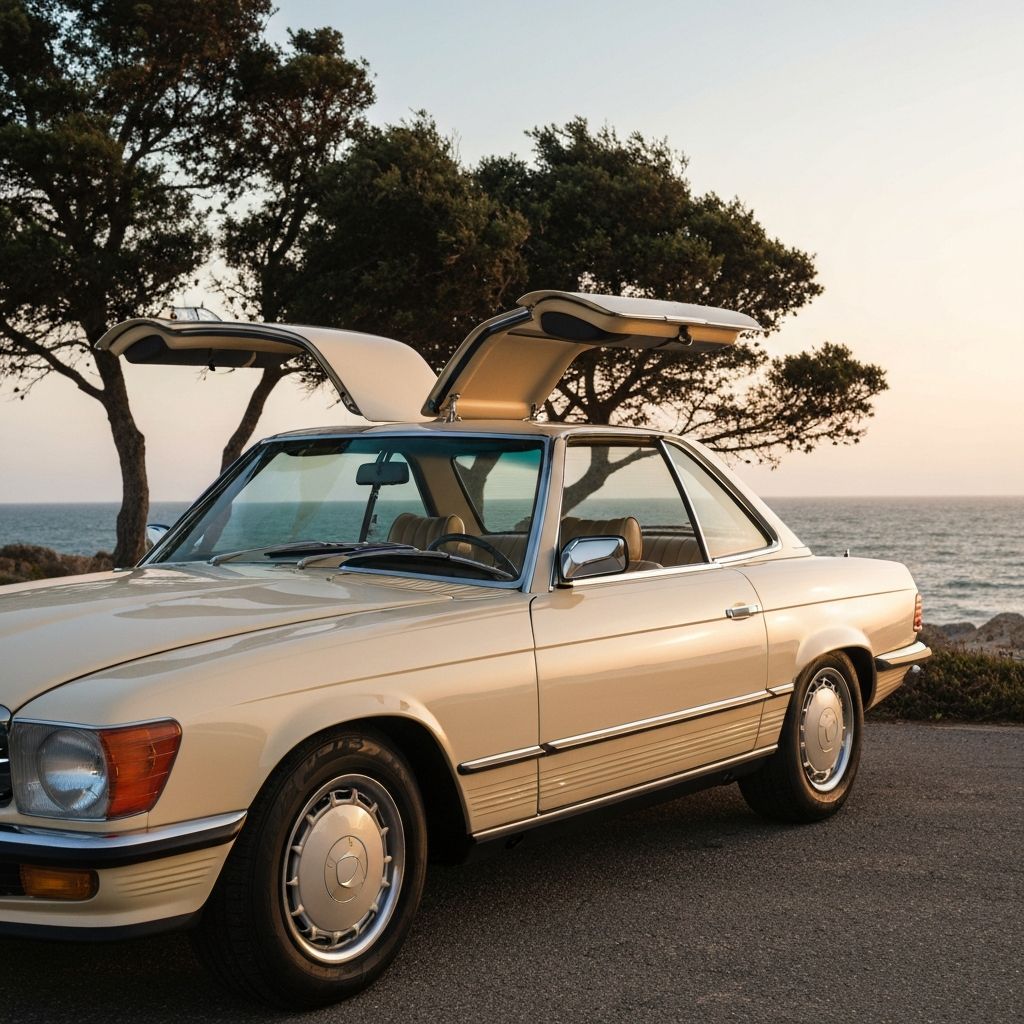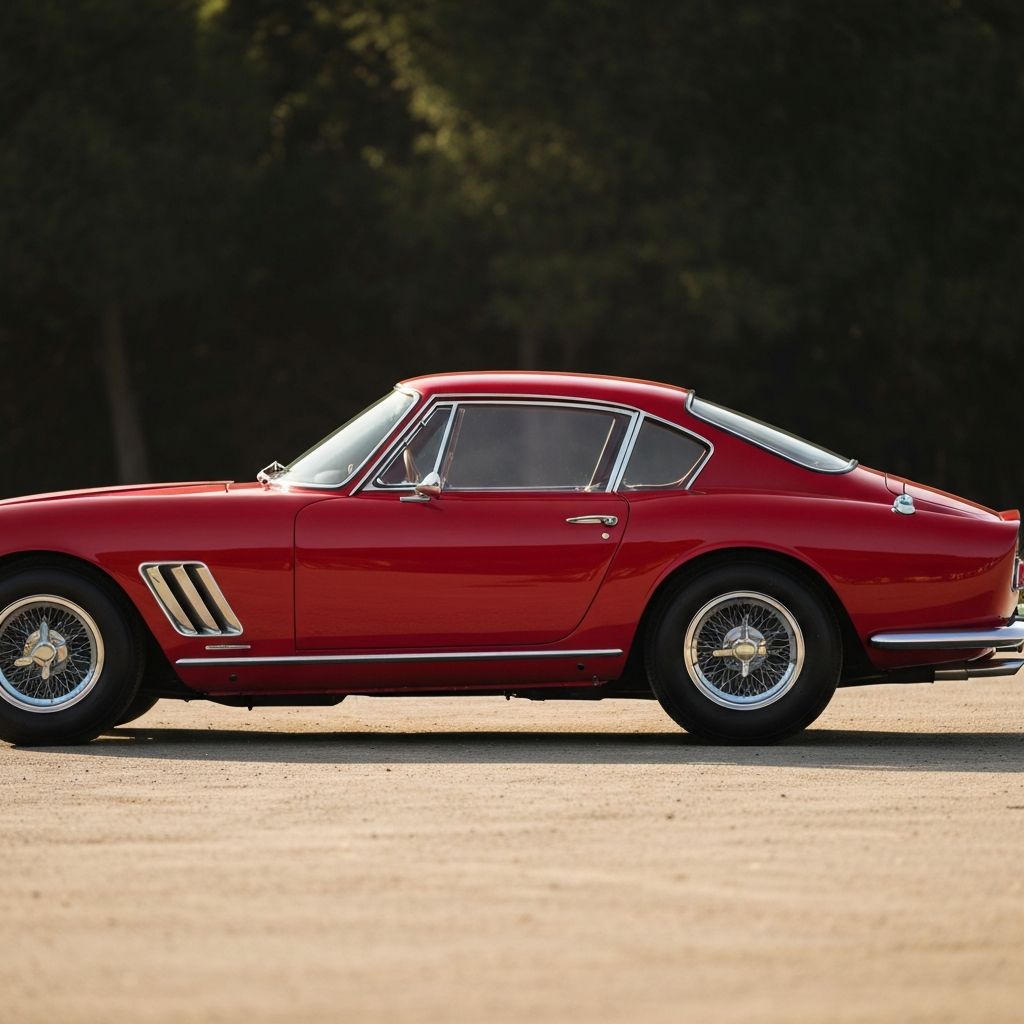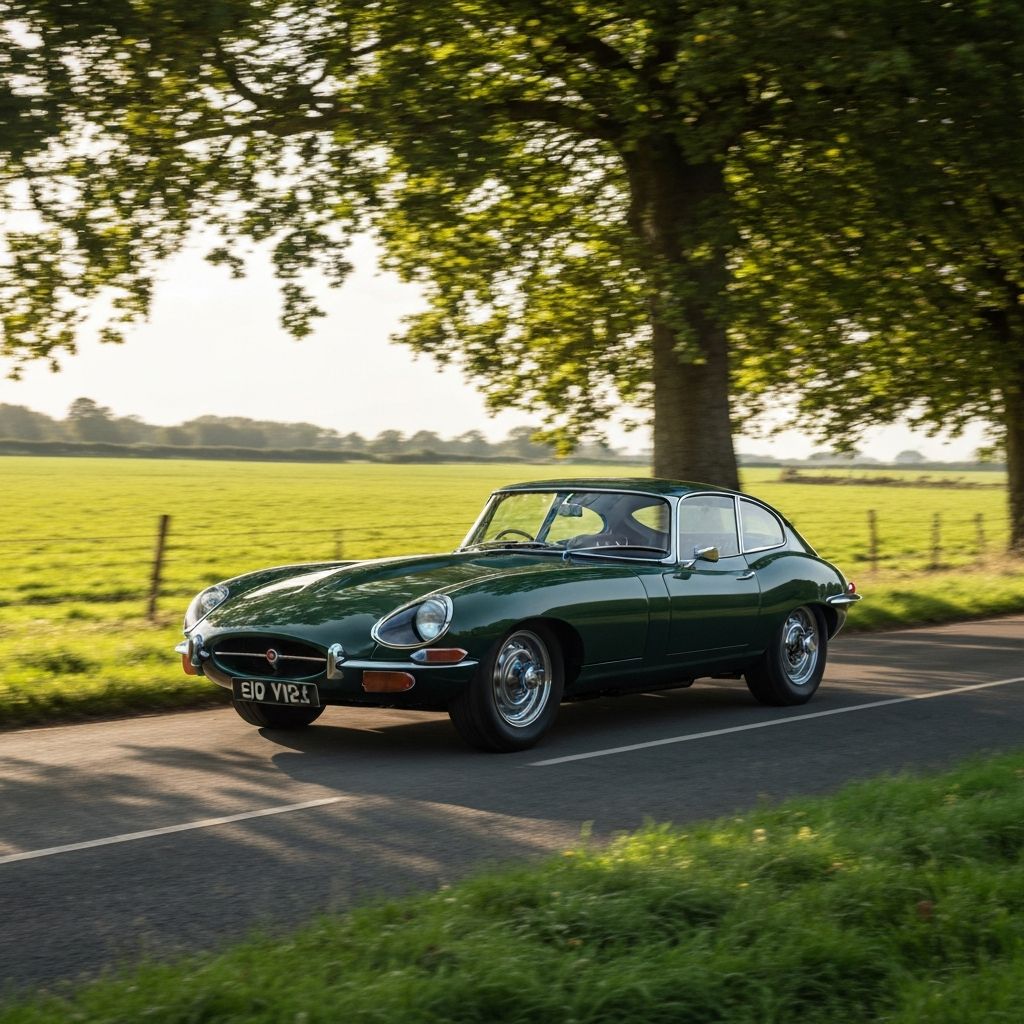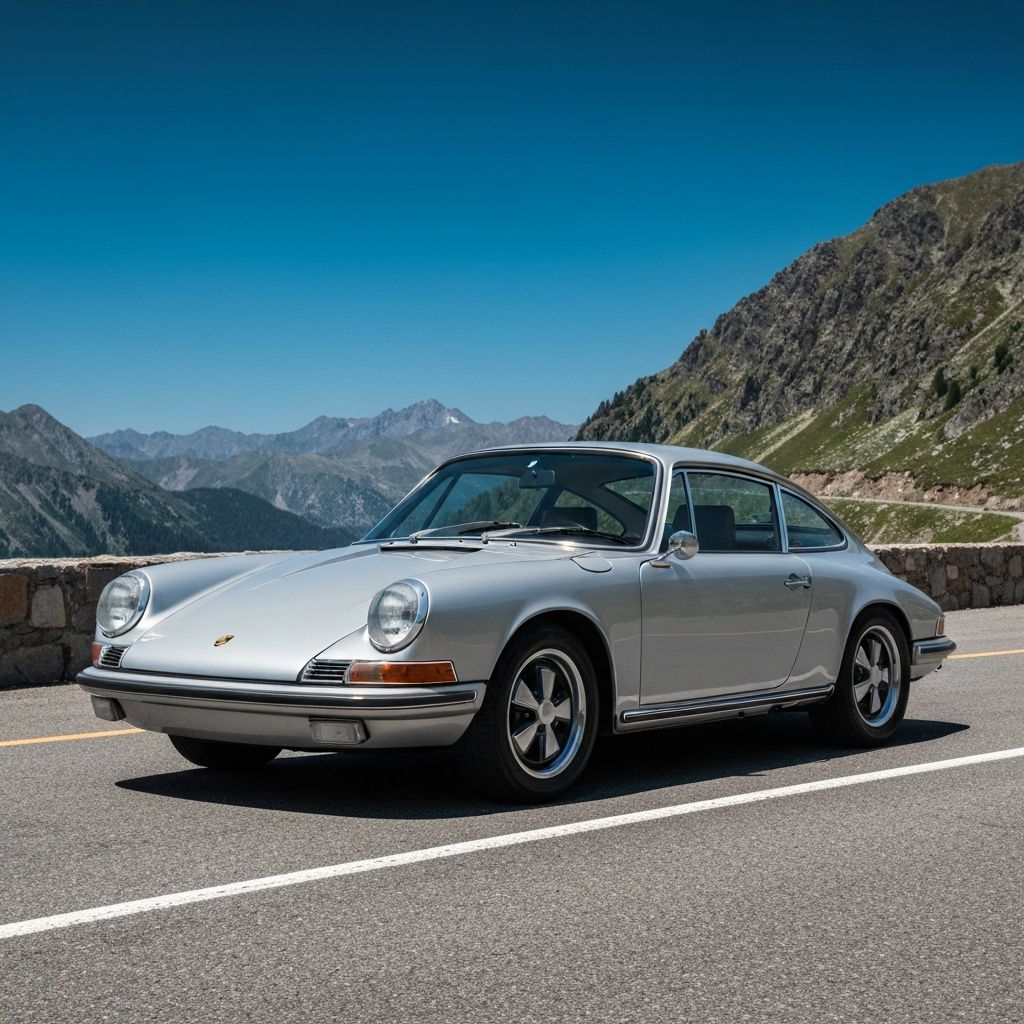
While passion should drive classic car ownership, understanding the investment potential can help make informed decisions. The classic car market has shown remarkable resilience and growth over decades.
Market Fundamentals
The classic car market operates on principles of scarcity, provenance, and condition. Rare, well-documented, and properly maintained vehicles typically appreciate best. However, market trends can shift, so research is essential.
What Drives Value
Several factors influence classic car values:
- Rarity
- Historical significance
- Racing pedigree
- Celebrity ownership
- Originality
Vehicles with complete documentation and matching numbers command premiums.
Market Categories
The market divides into several tiers:
- Entry-level classics ($20,000-$50,000)
- Mid-market ($50,000-$200,000)
- Blue-chip collectibles ($200,000+)
Each category has different dynamics and risk profiles.
Risks and Considerations
Like any investment, classic cars carry risks. Market corrections, changing tastes, and unexpected maintenance costs can impact returns. Never invest more than you can afford to lose.
Long-Term Perspective
Classic cars are typically long-term investments. While some vehicles appreciate quickly, most require years to show significant gains. Patience and proper care are essential.
Enjoyment Factor
The best classic car investments are those you can enjoy. Unlike stocks or bonds, these assets provide tangible pleasure. The combination of potential appreciation and personal enjoyment makes them unique investments.