Classic car design reflects the cultural, technological, and artistic movements of their eras. Each decade brought unique innovations that continue to influence automotive design today.
The 1950s: Optimism and Excess
Post-war prosperity fueled extravagant designs with chrome, tailfins, and bold colors. American manufacturers led with flamboyant styling, while European marques focused on elegance and performance.
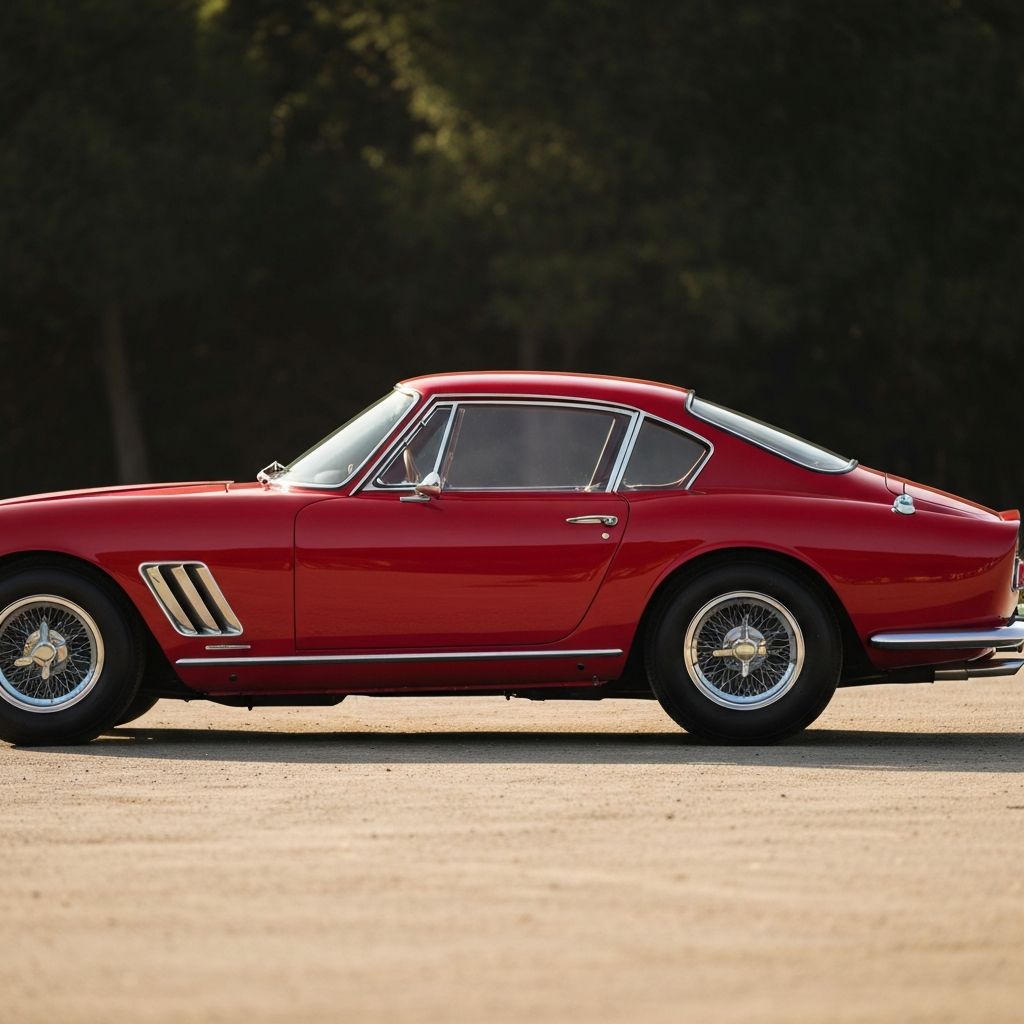
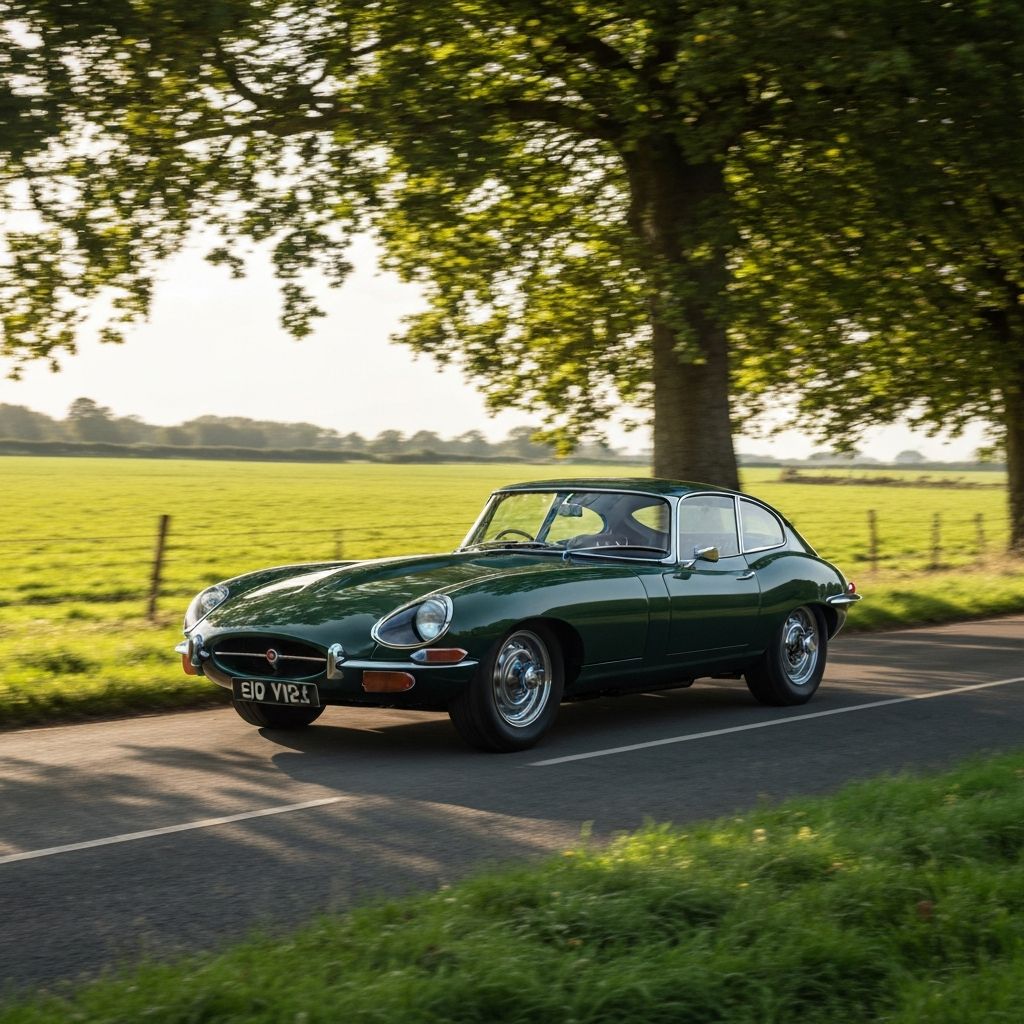
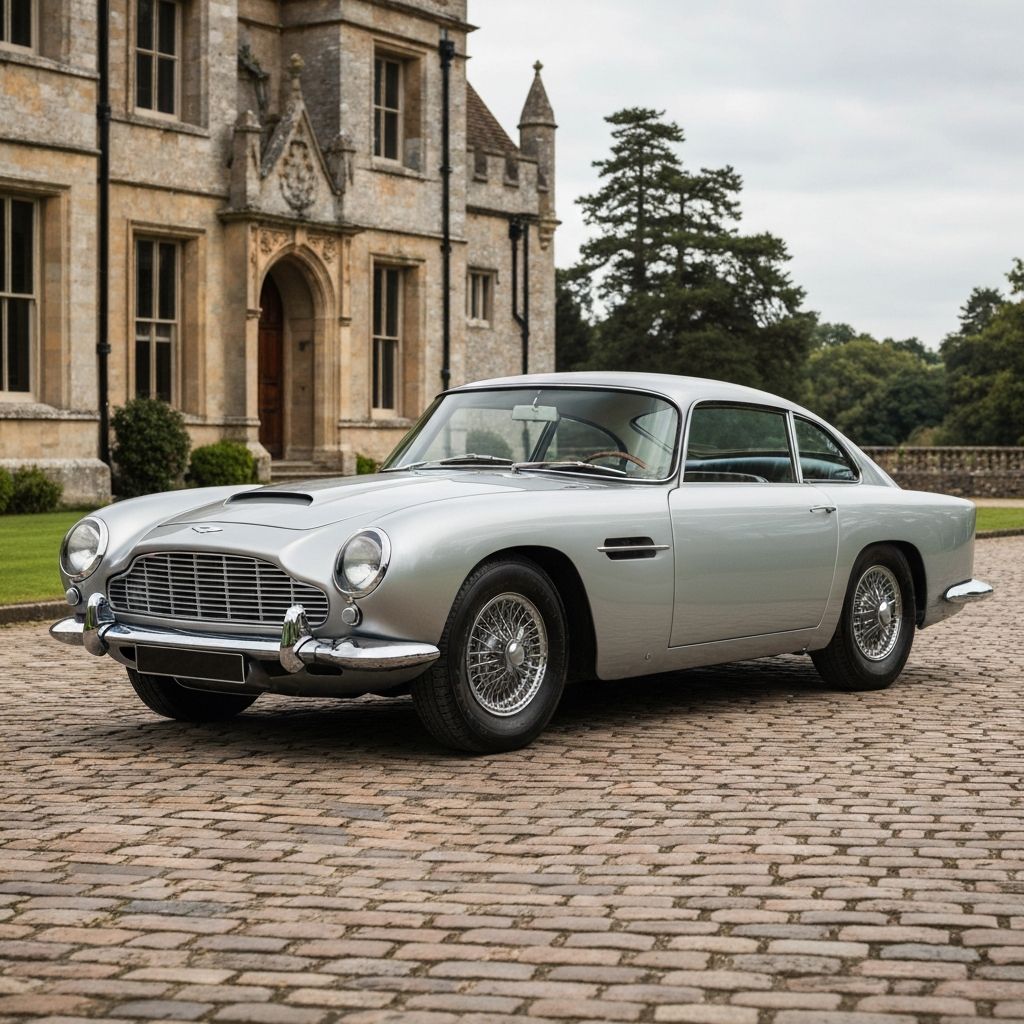
The 1960s: Performance and Style
The 1960s saw the rise of the sports car and the muscle car. Design became more purposeful, with aerodynamics and performance taking precedence. Italian coachbuilders created some of history's most beautiful shapes.
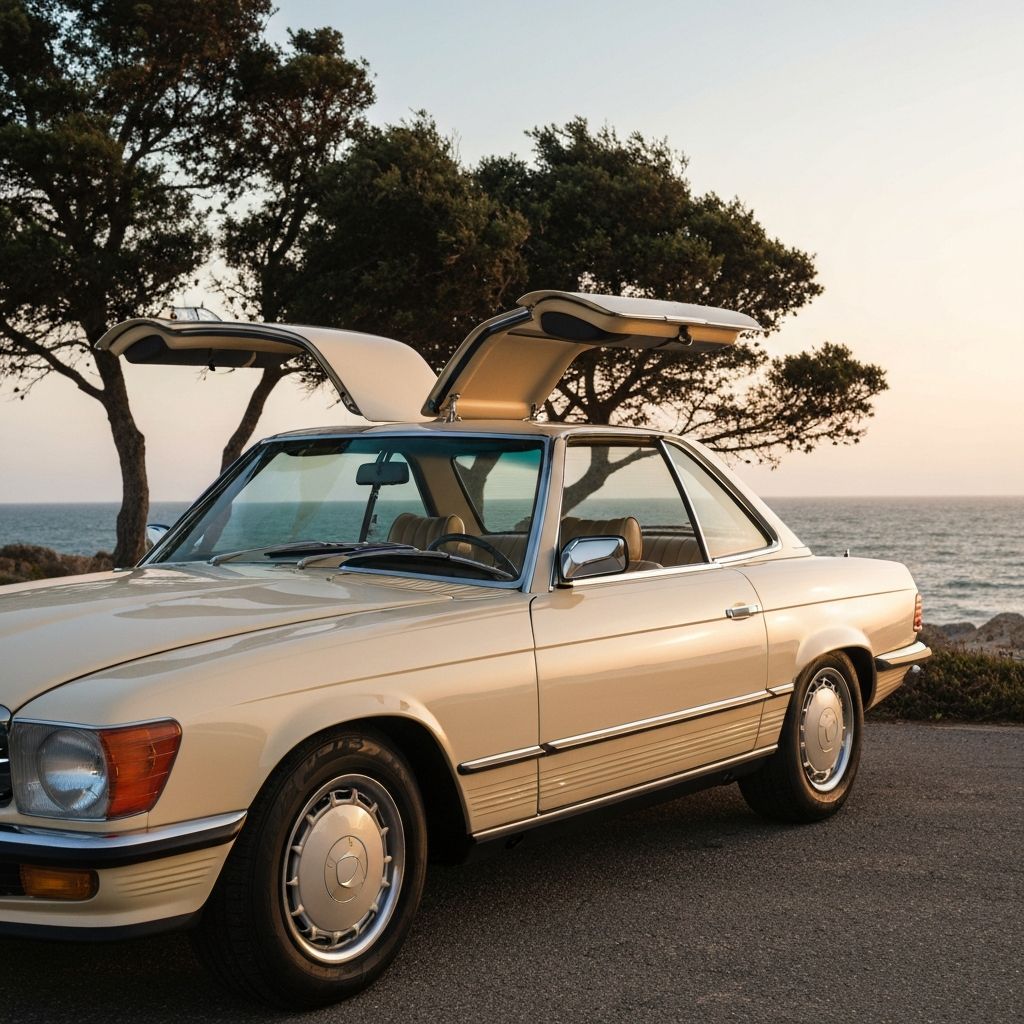
The 1970s: Transition and Refinement
Safety regulations and fuel economy concerns influenced design, but manufacturers found ways to maintain style. This era produced some of the most refined and sophisticated classic cars.
Design Philosophy
Classic car design balanced form and function in ways that modern regulations make difficult. The freedom of earlier eras allowed designers to create truly artistic expressions on wheels.
Enduring Influence
Today's designers continue to draw inspiration from classic cars. The principles of proportion, balance, and elegance established in the golden age of automotive design remain relevant.